Why Laser Hair Removal Works Better Than Daily Shaving
Shaving is one of the most common ways to remove unwanted body hair. It is quick, inexpensive at first, and easy to do at home. However, the results usually last only a short time. Within a day or two, stubble may begin to appear again, leaving you with another shaving session to fit into your routine.
For people who want a longer-lasting alternative, laser hair removal offers a different approach. Instead of cutting hair at the skin’s surface, laser treatments use concentrated light energy to target pigment in the hair follicles. With a series of treatments, this process can significantly reduce unwanted hair growth and make regular shaving less necessary.
At Blink Lash Club in Downtown Manhattan, laser hair removal is an option for people who want to spend less time managing unwanted hair and enjoy smoother-feeling skin. Understanding how the treatment works, how it compares with shaving, and what results to expect can help you decide whether it is right for you.
Why Daily Shaving Can Become a Frustrating Routine
Shaving may seem convenient, but keeping skin consistently smooth often requires repeating the process several times a week. The frequency depends on your hair growth, the area being shaved, and your personal preference.
Over time, the routine can become inconvenient for several reasons.
Hair grows back quickly
A razor removes hair at the surface of the skin. It does not destroy or disable the hair follicle responsible for producing new hair. As a result, the hair continues growing according to its natural cycle.
Some people notice visible stubble within 24 hours. Others may be able to go longer before shaving again. Either way, shaving provides a temporary result rather than long-term hair reduction.
Razor bumps and irritation can occur
Repeated shaving can irritate the skin, particularly when using a dull blade, applying too much pressure, or shaving against the direction of hair growth.
Common concerns include redness, razor bumps, itching, and ingrown hairs. These problems can be more noticeable in areas where hair is coarse or naturally curly.
Small cuts and nicks are possible
Even when you are careful, a razor can cause small cuts, especially around curved or sensitive areas. Rushing through a shaving routine can increase the chance of accidental nicks.
Shaving takes repeated effort
Shaving one area may take only a few minutes, but treating several areas regularly can add up. Legs, underarms, arms, and the bikini area may all require separate attention.
For someone with a busy schedule, repeating this routine can become inconvenient.
Skin may feel rough between shaves
Because shaving cuts hair at the surface, the newly exposed hair ends can feel rough as they grow. This can make it difficult to maintain a consistently smooth feeling without frequent shaving.
How Laser Hair Removal Works
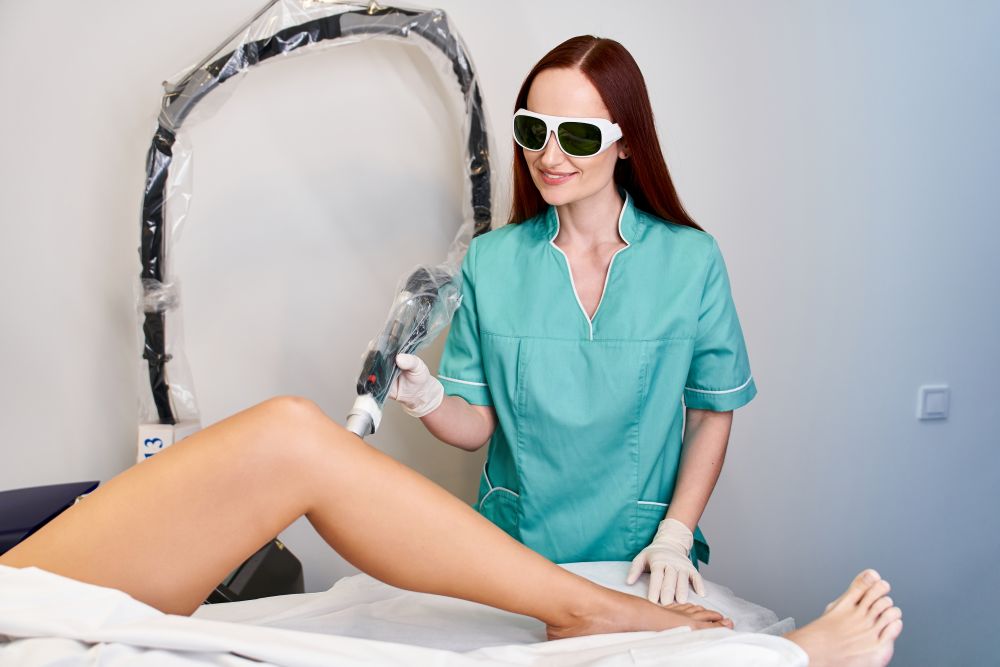
Laser hair removal uses concentrated light energy to target pigment in the hair. The light is absorbed by the pigment and converted into heat, which affects the hair follicle and helps reduce its ability to produce new hair.
The treatment is designed to target hair follicles while protecting the surrounding skin through appropriate settings and cooling methods.
Unlike shaving, which removes visible hair temporarily, laser treatment works below the skin’s surface. This is why a properly planned series of treatments can produce longer-lasting hair reduction.
Laser treatments target hair follicles
Hair grows in cycles, and not every hair is in the same growth stage at the same time. Laser hair removal is generally most effective when the hair is in its active growth phase.
Because only some hairs are in that phase during a particular appointment, multiple sessions are normally needed. Treatment intervals allow different groups of hairs to enter a suitable growth stage.
Hair gradually becomes less noticeable
After successful treatments, many people experience slower regrowth, fewer visible hairs, and areas that feel smoother for longer periods.
Some hairs may become finer or lighter, while others may stop growing for an extended time. Results vary according to hair color, skin tone, hormonal factors, treatment area, and individual response.
Cooling helps support treatment comfort
Modern laser hair removal systems may use cooling features to help protect the skin’s surface and improve comfort during treatment.
At Blink Lash Club, cooling-air technology is part of the laser hair removal experience. Your provider can explain the treatment process, expected sensations, and preparation instructions before your appointment.
Laser Hair Removal vs. Daily Shaving
Both methods remove unwanted hair, but they work in very different ways. Shaving cuts hair at the surface, while laser hair removal targets the follicle to achieve longer-term reduction.
Results last longer with laser treatments
Shaving needs to be repeated as soon as new hair becomes visible. Laser hair removal is performed over a series of sessions, with results developing gradually.
After completing an appropriate treatment course, many people experience a substantial reduction in hair growth. Maintenance sessions may still be needed because some follicles can remain active or become active later.
Laser treatment can reduce repeated shaving
One of the main advantages is the possibility of spending less time shaving. As hair growth becomes lighter or less dense, many people find that they no longer need to shave as frequently.
This can be especially useful for people who regularly remove hair from multiple body areas.
Less repeated razor contact
Shaving involves repeated contact between a blade and the skin. For people who experience razor irritation, reducing the need for frequent shaving may help limit one source of skin friction.
Laser hair removal is not completely free of side effects. Temporary redness, swelling around follicles, and sensitivity can occur after treatment. Proper assessment, suitable settings, and aftercare are important.
More convenient for long-term routines
Shaving may be easier for someone who wants an immediate, one-time solution. However, people who repeatedly shave the same areas may prefer a treatment plan that reduces future hair growth.
Laser hair removal requires an initial commitment to multiple appointments, but it may reduce the amount of ongoing hair removal work later.
Benefits of Choosing Laser Hair Removal
Laser hair removal offers several potential advantages for people who are tired of maintaining a regular shaving routine.
1. Longer-lasting hair reduction
The main benefit is the possibility of reducing unwanted hair over an extended period. Unlike shaving, laser treatment works on the follicles responsible for hair growth.
The degree of reduction varies, and results are not guaranteed to be permanent for every person. However, many people experience long-lasting improvement after completing the recommended treatment course.
2. Less frequent shaving
As treated hair becomes finer or less dense, you may find yourself reaching for a razor less often. This can save time and reduce the effort involved in maintaining smooth-looking skin.
3. Fewer shaving-related problems
People who regularly experience razor bumps or irritation may appreciate having an alternative to frequent blade use.
Laser treatment can also be useful for some people who struggle with ingrown hairs. However, it is important to have the area assessed first, since skin conditions and existing irritation may affect treatment suitability.
4. Treatment for multiple body areas
Laser hair removal can be used on several areas, depending on the equipment, treatment plan, and individual suitability.
Common treatment areas include:
- Underarms
- Legs
- Arms
- Bikini area
- Upper lip
- Chin
- Neck
- Back
- Chest
- Abdomen
Different areas may require different treatment settings and appointment intervals. A professional consultation helps determine which areas can be treated and what results may be realistic.
5. More time for your daily routine
Repeated shaving can take time, especially when treating larger areas. Reducing the need for regular hair removal can make personal care simpler.
For people balancing work, family, exercise, and other responsibilities, this convenience can be an important reason to consider laser treatment.
How Many Laser Hair Removal Sessions Are Needed?
Laser hair removal usually requires multiple appointments. One session cannot treat every hair follicle effectively because hair grows in different stages.
The number of sessions depends on the treatment area, hair characteristics, skin tone, hormonal influences, and how the individual responds to treatment.
Some areas may respond sooner than others. Underarms, legs, facial areas, and bikini areas can all have different growth patterns.
Your treatment provider should recommend a schedule based on the area being treated and the response observed during your sessions. It is important to attend appointments at the recommended intervals rather than scheduling treatments too close together.
After the initial series, occasional maintenance appointments may help address regrowth.
Is Laser Hair Removal Better for Ingrown Hairs?
Ingrown hairs develop when hair grows back into the skin or becomes trapped beneath the surface. Shaving can contribute to this problem, particularly when hair is cut very close to the skin.
Laser hair removal may help reduce ingrown hairs for some people by decreasing the amount of hair that grows back. With fewer active hairs, there may be fewer opportunities for hair to become trapped.
However, laser treatment is not an immediate cure for existing ingrown hairs, and it may not be appropriate over irritated or infected skin.
If you have painful bumps, persistent inflammation, or signs of infection, seek appropriate medical advice before treatment.
Is Laser Hair Removal Suitable for Different Skin Tones?
Laser hair removal technology has developed considerably, and some modern systems can treat a wider range of skin tones than older equipment.
However, suitability depends on the specific laser technology, settings, skin pigmentation, and hair characteristics. Darker skin tones may require particular care and appropriately selected equipment and settings to reduce the risk of burns or pigment changes.
Hair color also matters. Laser treatment works by targeting pigment in the hair, so very light blonde, white, gray, or red hair may respond less effectively than darker hair.
A professional assessment should take place before treatment. Your provider should discuss your skin tone, hair color, medical history, recent tanning, medications, and any relevant skin concerns.
What Does Laser Hair Removal Feel Like?
The sensation varies from person to person and depends on the treatment area, equipment, settings, and individual sensitivity.
Some people describe the feeling as a brief warm sensation or a small snapping sensation against the skin. Sensitive areas may feel more noticeable than larger areas such as the legs.
Cooling technology can help improve comfort during the procedure, but no treatment should be advertised as completely painless for everyone.
If you have concerns about sensitivity, discuss them before starting. Your provider can explain what to expect and whether the treatment settings are appropriate for you.
How to Prepare for a Laser Hair Removal Appointment
Following preparation instructions can help make your appointment more straightforward and support safer treatment.
Avoid waxing and plucking before treatment
Laser hair removal targets pigment within the hair follicle. Waxing and plucking remove the hair from the root, which can interfere with the treatment process.
Your provider will explain how long you should avoid these methods before your appointment. Shaving is commonly recommended instead because it removes visible hair while leaving the follicle in place.
Avoid tanning
Recent tanning can increase the risk of unwanted skin reactions. Follow your provider’s instructions about sun exposure and tanning products before treatment.
Tell your provider if you have recently spent significant time in the sun or used a tanning bed.
Keep the treatment area clean
Arrive with the area prepared according to the salon’s instructions. Avoid applying products such as deodorant, lotions, oils, or makeup to the treatment area when instructed.
Share relevant skin and health information
Tell your provider about medications, skin conditions, recent procedures, or any history of unusual skin reactions. Some medications and skin conditions can affect treatment suitability.
Never assume that a treatment is appropriate without discussing relevant concerns first.
Aftercare Tips for Smoother-Looking Skin
Your skin may be temporarily sensitive after laser hair removal. Following aftercare instructions can help reduce irritation.
Avoid excessive heat: Your provider may recommend avoiding hot showers, saunas, and intense exercise for a short period after treatment.
Protect your skin from the sun: Use appropriate sun protection on exposed treated areas and follow the provider’s guidance about sun exposure.
Avoid picking or rubbing: Do not scratch, scrub, or pick at the treated skin.
Use gentle skincare: Follow the recommended routine and avoid irritating products until the skin has settled.
Allow treated hair to shed naturally: Some treated hairs may appear to grow before they shed. Do not wax or pluck them. Follow your provider’s instructions about shaving and other hair removal methods.
If you experience blistering, severe pain, significant swelling, or unusual skin changes, seek medical advice.
Why Laser Hair Removal Can Be a Better Long-Term Choice Than Shaving
Shaving is convenient when you need immediate hair removal, but it does not change the follicle or prevent future growth. That is why the same areas need to be shaved repeatedly.
Laser hair removal takes a different approach by targeting hair follicles over multiple sessions. As treatment progresses, hair may become less dense, finer, and slower to return.
For someone who spends considerable time shaving, this can offer a more convenient long-term routine. It may also help reduce the repeated blade contact associated with shaving-related irritation.
The best choice depends on your budget, schedule, skin and hair characteristics, and personal preferences. Shaving remains a practical option for occasional hair removal, while laser treatment is worth considering when your goal is longer-lasting hair reduction.
Why Choose Blink Lash Club for Laser Hair Removal in NYC?
Blink Lash Club is located in Downtown Manhattan near Bleecker Street and the West Village. The salon offers laser hair removal for people interested in reducing unwanted hair and spending less time on daily shaving.
The treatment experience includes cooling-air technology designed to support skin comfort during appointments. Before starting, discuss the areas you want treated, your skin and hair characteristics, your expectations, and any relevant medical or skin concerns.
If you are comparing laser hair removal options in Manhattan, consider the technology being used, the provider’s training, the consultation process, the treatment plan, and the aftercare guidance.
People searching for laser hair removal in Downtown Manhattan, a laser hair removal salon near Bleecker Street, or professional hair reduction in the West Village can contact Blink Lash Club for current service information and appointment availability.
Frequently Asked Questions About Laser Hair Removal
Is laser hair removal better than shaving?
Laser hair removal can be a better long-term option for people who want to reduce unwanted hair growth and avoid frequent shaving. Shaving provides immediate but temporary results, while laser treatments work over multiple sessions to achieve longer-lasting hair reduction.
Does laser hair removal permanently remove all hair?
No treatment can guarantee that every hair will be permanently removed. Laser hair removal can provide long-term hair reduction, but some regrowth may occur and maintenance sessions may be needed.
Can I shave between laser sessions?
Shaving is generally allowed between sessions, but follow your provider’s specific instructions. Avoid waxing and plucking because they remove the hair from the follicle.
How long does a laser hair removal appointment take?
Appointment length depends on the size and number of areas being treated. Smaller areas generally require less time than larger areas. Ask the salon for an estimate when booking.
Can laser hair removal treat underarms and legs?
These are common treatment areas. Suitability depends on your skin tone, hair color, equipment, and individual assessment.
Is laser hair removal painful?
Sensations vary. Some people experience mild warmth or a brief snapping feeling. Cooling technology may help improve comfort, but individual experiences differ.
When will I see results?
Some treated hairs may shed in the weeks following a session. Hair reduction develops over a series of treatments, so results are gradual rather than immediate.
Where can I book laser hair removal in Downtown Manhattan?
Contact Blink Lash Club to ask about treatment areas, pricing, consultation requirements, and available appointments near Bleecker Street in Downtown Manhattan.
Spend Less Time Shaving and More Time Enjoying Smooth Skin
Daily shaving can be a repetitive part of personal care. While it offers quick results, the hair grows back because the follicle remains active. Laser hair removal offers a longer-term approach by targeting the follicles responsible for hair growth and gradually reducing unwanted hair.
With an appropriate treatment plan, many people experience slower regrowth, finer hair, and less frequent shaving. The right approach begins with a professional assessment, realistic expectations, and consistent aftercare.
If you are ready to consider an alternative to daily shaving, contact Blink Lash Club for laser hair removal in Downtown Manhattan. Ask about available treatment areas, current prices, and a personalized appointment plan for smoother-looking skin.
