Ingrown hairs can turn an ordinary hair-removal routine into a recurring skin concern. Small, raised bumps, redness, itching, and irritation may appear after shaving, waxing, or tweezing. For some people, these problems return every time unwanted hair begins to grow back. Areas such as the legs, underarms, bikini line, neck, and face can be particularly frustrating when ingrown hairs develop frequently.
Professional laser hair removal offers a longer-term approach by targeting hair follicles and gradually reducing unwanted hair growth. As hair becomes finer and less dense over a series of treatments, there may be fewer opportunities for hairs to curl back into the skin. This can help reduce recurring ingrown hairs and the irritation associated with frequent shaving.
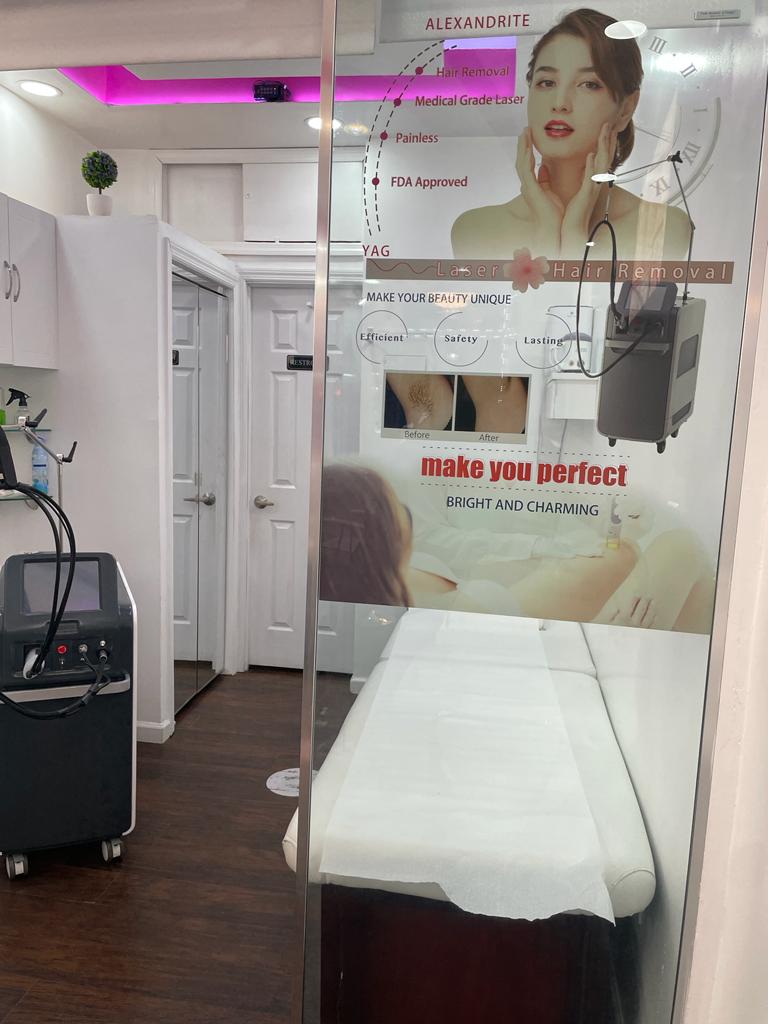
At Blink Lash Club in Downtown Manhattan, laser hair removal is available for people who want to reduce unwanted hair and spend less time dealing with repetitive shaving and waxing. Understanding how laser treatments work, what results to expect, and how to care for treated skin can help you make an informed decision.
What Causes Ingrown Hairs?
An ingrown hair develops when a hair grows back into the skin instead of emerging normally through the surface. This can happen when a hair curls around and re-enters the skin or when dead skin cells block its path.
The body may react to the trapped hair with inflammation. This can create a small bump that looks red, brown, or skin-colored, depending on the individual’s complexion. Some ingrown hairs cause itching or tenderness, while others develop into more noticeable bumps.
Several hair-removal habits can contribute to the problem:
- Frequent shaving: Cutting hair very close to the skin can leave a sharp hair tip that may grow into nearby skin.
- Waxing and tweezing: Removing hair from the root does not prevent future growth. As new hair emerges, it may become trapped beneath the surface.
- Curly or coarse hair: Naturally curved hair is more likely to bend back toward the skin.
- Skin buildup: Dead skin cells can collect around hair openings and make it harder for new hair to emerge.
- Repeated friction: Tight clothing and rubbing can irritate areas that are already prone to ingrown hairs.
Ingrown hairs are common in areas where hair is frequently removed. The bikini line, underarms, legs, chin, and neck are examples of areas where repeated shaving or waxing may contribute to recurring bumps.
How Professional Laser Treatments Target Ingrown Hairs
Laser hair removal works differently from shaving and waxing. Instead of cutting hair at the surface or pulling it out, laser energy targets pigment in the hair. The energy is absorbed by the hair and transferred toward the follicle, helping damage its ability to produce new growth.
Over a series of sessions, treated hair generally becomes finer, lighter, and less dense. Some follicles may stop producing visible hair, while others may produce reduced growth that requires occasional maintenance.
This reduction in hair growth is important for people who experience ingrown hairs regularly. When fewer hairs grow back, there are fewer opportunities for them to become trapped beneath the skin.
The American Academy of Dermatology explains that laser hair removal can reduce hair growth over multiple treatments. It also notes that people who experience frequent razor bumps and ingrown hairs from shaving may benefit from reducing or eliminating the need to shave the treated area. https://www.aad.org/public/everyday-care/skin-care-basics/hair/remove-unwanted-hair
Why Reducing Hair Growth Can Help Prevent Ingrown Hairs
The main benefit of laser hair removal for recurring ingrown hairs is the gradual reduction of unwanted hair. Shaving and waxing require repeated removal as hair returns. Laser treatments aim to reduce that cycle.
Fewer Hairs Growing Back
When hair growth becomes less dense, fewer individual hairs are available to curl back into the skin. This may reduce the frequency of new ingrown hairs in areas that previously experienced repeated irritation.
Less Frequent Shaving
Shaving can contribute to razor bumps, especially when hair is coarse or naturally curly. Laser hair removal can reduce the need to shave regularly as treatment progresses.
For people who shave several times a week, reducing that routine may make a noticeable difference in everyday skin comfort.
Reduced Repeated Irritation
Repeated shaving, waxing, and tweezing can irritate the same areas again and again. Reducing the frequency of these practices may help limit repeated friction and irritation.
A Smoother-Looking Skin Surface
Ingrown hairs can leave behind raised bumps and dark marks after inflammation settles. Reducing new ingrown hairs may help prevent additional bumps from forming. Existing discoloration may take longer to fade and can require separate skincare or professional advice.
Laser Hair Removal Compared With Shaving and Waxing
Each hair-removal method works differently. Understanding those differences can help explain why laser treatments may be useful for people who regularly experience ingrown hairs.
Shaving cuts hair at or near the skin’s surface. It is convenient and inexpensive, but hair returns quickly. Frequent shaving can also contribute to razor bumps, particularly when the hair is coarse or curly.
Waxing removes hair from the root. Results generally last longer than shaving, but regrowth still occurs. Some people experience irritation or ingrown hairs as new hair begins to emerge.
Tweezing removes individual hairs from the root. It can be useful for small areas, but repeated plucking may irritate follicles and does not provide long-term reduction in hair growth.
Laser hair removal targets the follicle to reduce future hair growth. It requires multiple sessions because hair grows in different cycles, but it can provide longer-lasting hair reduction than routine shaving or waxing.
For someone who repeatedly develops ingrown hairs after traditional hair removal, laser treatment may offer a more practical long-term option.
Body Areas That May Benefit From Laser Hair Removal
Ingrown hairs can occur almost anywhere hair grows, but some areas are more commonly affected by regular grooming.
Bikini Line
The bikini line is frequently exposed to shaving, waxing, and friction from clothing. Coarse or curly hair in this area may become trapped beneath the skin after removal.
Laser hair removal can gradually reduce hair density in the treated area. This may help decrease the repeated cycle of shaving irritation and ingrown hairs.
Underarms
Underarm hair often requires frequent removal because it grows back visibly. Repeated shaving can irritate sensitive skin and contribute to small bumps.
Reducing underarm hair growth through laser treatments may make daily grooming easier and reduce the need for frequent shaving.
Legs
People who shave their legs regularly may experience ingrown hairs, particularly around areas where clothing creates friction. Laser hair removal can reduce the amount of hair that returns over time.
Face and Chin
Coarse facial hair around the chin, jawline, and upper lip can sometimes lead to recurring ingrown hairs. Facial treatments require careful assessment because the area is sensitive and hair-growth patterns can vary.
Neck
The neck is a common problem area for people who shave frequently. Curved hair can grow back toward the skin and cause razor bumps. Laser hair removal may help reduce recurring shaving-related irritation by reducing hair growth.
What Happens During a Professional Laser Hair Removal Session?
A professional treatment begins with an assessment of the treatment area, hair characteristics, and skin tone. These details help determine whether laser hair removal is appropriate and which treatment settings may be suitable.
A typical appointment includes several steps.
1. Skin and Hair Assessment
The treatment provider reviews the area, examines hair thickness and color, and discusses your history of ingrown hairs or skin irritation. Certain hair colors, medications, skin conditions, and recent tanning can affect treatment suitability.
2. Preparing the Treatment Area
The area may need to be shaved before treatment, depending on the provider’s instructions and the equipment being used. The skin should be clean and free from products that could interfere with the procedure.
3. Laser Application
The provider applies the laser to the selected area using settings appropriate for the individual’s skin and hair characteristics. The energy targets pigment in the hair to affect the follicle.
4. Post-Treatment Guidance
After the session, the provider explains how to care for the treated skin. Temporary redness, mild swelling, or sensitivity around hair follicles can occur. Following the recommended aftercare instructions helps support skin recovery.
How Many Laser Treatments Are Needed?
Laser hair removal is not usually a one-session solution. Hair grows in different phases, and the laser is most effective when the hair is in a suitable growth stage.
For this reason, multiple appointments are generally needed. The number and spacing of sessions depend on the treatment area, hair density, hair color, skin tone, hormonal factors, and individual response.
Some people notice reduced hair growth after their first few appointments, while others need more sessions before seeing a substantial difference. Maintenance treatments may also be recommended when new growth appears.
It is important to understand that laser hair removal provides long-term hair reduction, not a guarantee that every treated hair will be permanently eliminated. Results vary from person to person.
Is Laser Hair Removal Suitable for Every Skin Tone?
Laser technology has advanced, and people with a wide range of skin tones may be candidates for treatment. However, the appropriate equipment and settings matter.
The laser needs to target hair pigment while minimizing unwanted effects on surrounding skin. A person’s skin tone, recent sun exposure, hair color, and treatment area should all be considered before beginning.
The American Academy of Dermatology emphasizes the importance of choosing an experienced provider who understands how to perform laser hair removal safely for different skin tones. https://www.aad.org/public/everyday-care/skin-care-basics/hair/remove-unwanted-hair
Hair color is another important factor. Laser treatments generally work best on darker hair because the energy targets pigment. Very light blonde, white, gray, and red hair may not respond well to many laser systems.
A consultation can help determine whether the treatment is likely to be effective for your hair and skin characteristics.
Does Laser Hair Removal Help With Dark Marks From Ingrown Hairs?
Repeated ingrown hairs can leave dark spots after the original bump or irritation has healed. This discoloration is often called post-inflammatory hyperpigmentation.
Laser hair removal may help prevent some future marks by reducing the number of new ingrown hairs. However, it does not automatically remove discoloration that is already present.
Existing dark marks may gradually fade, but the process can take time. Some people may benefit from skincare ingredients or treatments recommended by a qualified skincare professional or dermatologist.
Avoid picking, squeezing, or aggressively exfoliating ingrown hairs. These habits can increase irritation and make discoloration more noticeable.
If bumps are painful, repeatedly infected, spreading, or leaving scars, seek advice from a dermatologist rather than treating them as a routine hair-removal issue.
Preparing Your Skin Before Laser Treatment
Good preparation helps reduce avoidable irritation and supports a smoother treatment experience.
Before your appointment:
- Follow the provider’s instructions about shaving the treatment area.
- Avoid waxing, tweezing, and other methods that remove hair from the root before treatment.
- Avoid tanning and excessive sun exposure.
- Tell the provider about medications, skincare products, and any history of skin reactions.
- Arrive with clean skin unless you have been given different instructions.
- Follow any specific preparation guidance for sensitive areas.
Do not attempt to remove an active, painful ingrown hair by digging into the skin. If the area looks infected or severely inflamed, have it assessed before proceeding with treatment.
Aftercare Tips to Reduce Irritation
Skin may feel temporarily warm or sensitive after laser hair removal. Gentle care is important while the treated area settles.
Keep the Skin Clean
Use a gentle cleanser and avoid harsh scrubbing immediately after treatment. Keeping the area clean helps prevent unnecessary irritation.
Avoid Excessive Friction
Choose comfortable clothing that does not rub tightly against the treated area. This is particularly useful after bikini-line and underarm treatments.
Protect the Skin From Sun Exposure
Sun protection is important for exposed treatment areas. Follow the provider’s guidance about avoiding direct sunlight and using suitable sunscreen.
Avoid Picking or Scratching
Do not squeeze bumps or pull at hairs that appear trapped. Picking can increase inflammation and may contribute to marks or scarring.
Follow Your Treatment Schedule
Attend sessions at the intervals recommended by your provider. Hair growth cycles influence treatment timing, so appointments should not be scheduled randomly.
Can Laser Hair Removal Cause Ingrown Hairs?
Although laser hair removal is commonly used to reduce unwanted hair and shaving-related ingrown hairs, temporary reactions can occur.
Some people experience redness, swelling around follicles, or temporary bumps after treatment. In certain cases, folliculitis can develop following laser hair removal. This is different from saying that laser treatments always prevent or cause ingrown hairs.
A published clinical report describes a case of folliculitis following laser hair removal and discusses how hairs being released through the skin may contribute to inflammation in some individuals. https://pmc.ncbi.nlm.nih.gov/articles/PMC7380697/
If you notice unusual swelling, worsening pain, pus, blistering, or persistent irritation, contact your treatment provider or a dermatologist. Do not assume every post-treatment bump is an ingrown hair.
Why Professional Treatment Matters
Laser hair removal requires more than simply applying energy to unwanted hair. Treatment settings, equipment selection, skin assessment, and provider experience all influence the procedure.
An unsuitable laser or incorrect settings can increase the risk of burns, blistering, and pigmentation changes. A proper consultation helps identify potential concerns before treatment begins.
Professional treatment also gives you an opportunity to discuss your history of ingrown hairs, previous reactions to waxing or shaving, and expectations for hair reduction.
For people with recurring bumps, a dermatologist may also help determine whether the problem is actually ingrown hair, folliculitis, or another skin condition. These concerns can look similar but may require different care.
Who May Consider Laser Hair Removal for Ingrown Hairs?
Laser hair removal may be worth considering if you:
- Experience recurring ingrown hairs after shaving.
- Develop razor bumps around the neck, chin, or bikini line.
- Have coarse or curly hair that frequently grows back into the skin.
- Feel that frequent waxing or shaving irritates your skin.
- Want to reduce unwanted hair growth over the long term.
- Prefer a treatment plan that reduces the need for regular hair removal.
Not everyone is an ideal candidate. Hair color, skin tone, medical history, medications, and the condition of the treatment area should be considered before starting.
Laser Hair Removal in Downtown Manhattan
For people dealing with recurring ingrown hairs, choosing a convenient location can make it easier to maintain a consistent treatment schedule. Blink Lash Club offers laser hair removal in the West Village area of Downtown Manhattan.
The goal of treatment is to reduce unwanted hair growth over time, helping decrease the need for frequent shaving and waxing. With fewer hairs returning, some people may also experience fewer recurring ingrown hairs and less shaving-related irritation.
Whether you are concerned about your bikini line, underarms, legs, face, or another treatment area, a consultation can help determine whether laser hair removal is appropriate for your skin and hair type.
Frequently Asked Questions
Can laser hair removal stop ingrown hairs completely?
Laser hair removal can significantly reduce hair growth and may reduce recurring ingrown hairs. However, it cannot guarantee that ingrown hairs will never occur again. Results depend on individual hair growth, treatment response, and other skin factors.
Is laser hair removal better than waxing for ingrown hairs?
For people who frequently develop ingrown hairs after waxing, laser hair removal may be a useful longer-term option. Waxing removes hair temporarily, while laser treatment targets follicles to reduce future growth over multiple sessions.
Does laser hair removal help with razor bumps?
It may help reduce razor bumps by decreasing the need for frequent shaving. The American Academy of Dermatology identifies laser hair removal as an option for people who experience persistent razor bumps and ingrown hairs from shaving.
How long does it take to see a reduction in ingrown hairs?
The timeline varies. Some people notice changes as hair growth becomes finer and less dense over several sessions. The treatment area, hair characteristics, and individual response all affect the results.
Can laser hair removal be performed on sensitive areas?
Some sensitive areas may be treated, but suitability depends on the skin, hair, equipment, and provider assessment. A consultation is important before beginning treatment.
Will laser hair removal remove existing ingrown hairs?
Laser hair removal is designed to reduce future hair growth. It is not a method for extracting an existing trapped hair or treating an active infection. Painful or inflamed bumps should be assessed before treatment.
Reduce Recurring Ingrown Hair Problems With a Long-Term Approach
Recurring ingrown hairs can make shaving and waxing uncomfortable, especially when the same areas become irritated repeatedly. Professional laser hair removal offers an approach that targets hair follicles and gradually reduces unwanted growth.
With appropriate treatment settings, a consistent appointment schedule, and proper aftercare, many people can reduce the amount of hair that grows back and spend less time dealing with repeated shaving-related bumps.
Blink Lash Club provides laser hair removal in Downtown Manhattan for people interested in smoother-looking skin and long-term hair reduction. Schedule a consultation to discuss your treatment area, skin and hair characteristics, and whether laser hair removal is a suitable option.
