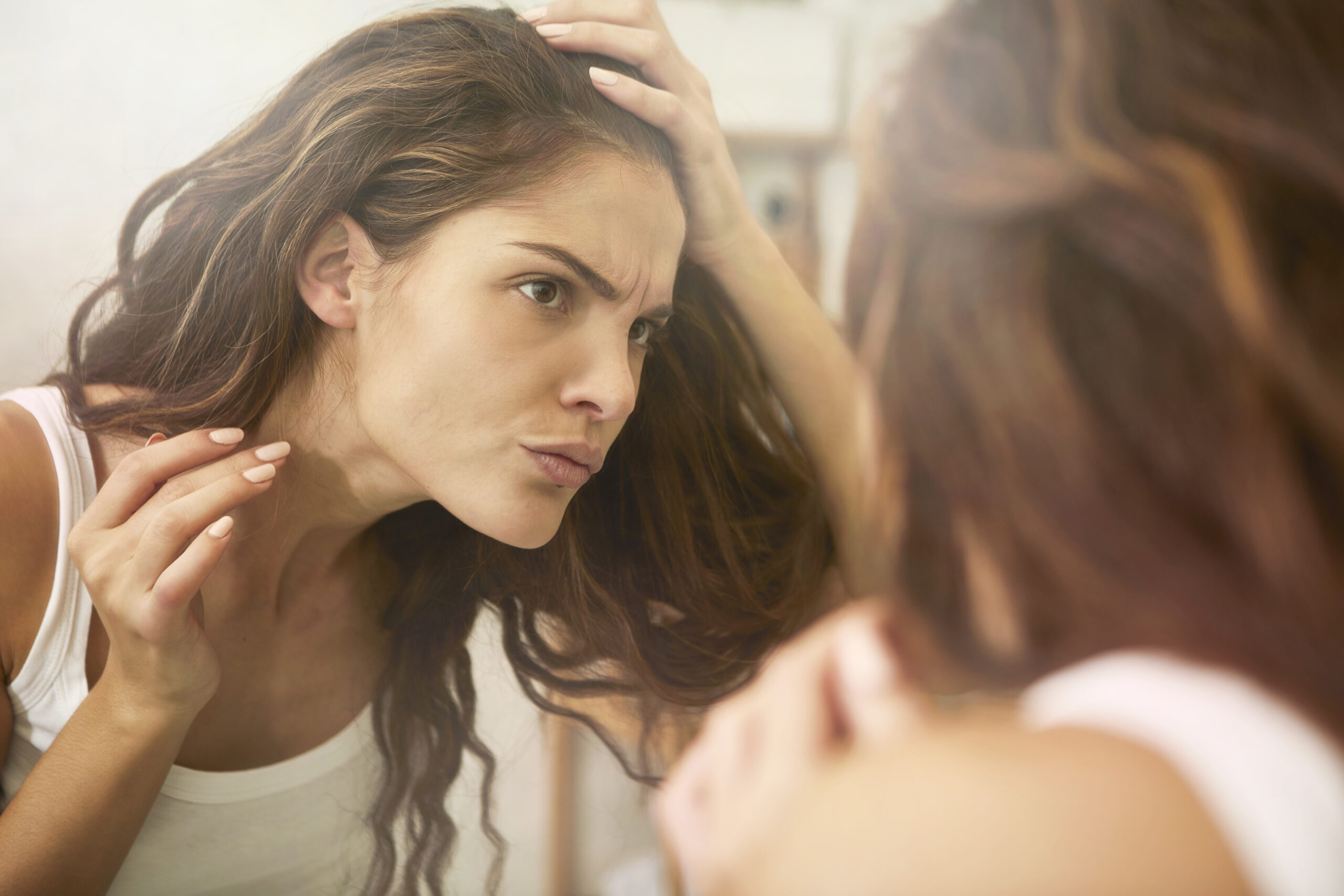
Unwanted facial hair can be frustrating and confusing, especially when it appears suddenly. Many women are surprised to learn that stress plays a significant role in hormonal changes that can influence facial hair growth. While stress alone does not directly cause new hair follicles to form, it can trigger internal hormonal imbalances that make facial hair more noticeable.
At Blink Lash Club, where we specialize in facial threading services, we’ve observed firsthand how clients’ hair growth patterns fluctuate with life stressors.
Understanding this connection helps you address the root cause rather than only managing the symptoms.
How Stress Affects Hormones and Hair Growth
When the body experiences stress, it releases cortisol, commonly known as the stress hormone. Elevated cortisol levels can disrupt the delicate balance of hormones in the body, particularly androgens such as testosterone.
Androgens influence hair growth patterns. When stress causes these hormones to increase or become more active, hair follicles on the face may respond by producing thicker and darker hair. Areas like the chin, upper lip, jawline, and sideburns are especially sensitive because they have a higher number of androgen receptors.
Why Facial Hair Often Appears After Stressful Periods
Stress-related facial hair growth usually does not appear immediately. There is often a delay of several weeks due to the natural hair growth cycle.
First, prolonged stress increases cortisol levels. This hormonal disruption gradually stimulates dormant or fine hair follicles. Over time, these follicles begin producing coarser hair, which becomes noticeable weeks after the stressful event. This delayed response explains why many women notice facial hair growth after exams, major life changes, illness, or emotional stress.
Common Areas Affected by Stress-Related Facial Hair
Stress-linked hormonal shifts most commonly affect:
-
Chin and jawline
-
Upper lip
-
Sideburns
-
Area between the eyebrows
These regions are more reactive to hormonal fluctuations, making hair growth more visible during periods of imbalance.
How to Reduce Stress-Related Facial Hair Naturally
1. Manage Stress to Support Hormonal Balance
Reducing stress is one of the most effective ways to limit stress-related facial hair growth. Techniques such as regular exercise, deep breathing, meditation, and adequate sleep help lower cortisol levels and support hormonal stability. Consistent daily routines also play a key role in preventing long-term hormonal disruption.
2. Support Hormone Regulation Through Diet and Lifestyle
Certain natural approaches may help balance hormones. Drinking spearmint tea has been associated with lowering free testosterone levels. Nutrients such as zinc and magnesium support hormonal health, while limiting processed foods and excess sugar can reduce inflammation and hormonal stress.
3. Choose Gentle Facial Hair Removal Methods
For stress-affected skin, gentle hair removal methods are important. Threading removes hair from the root without causing significant irritation. Harsh methods like frequent shaving or aggressive plucking may stimulate thicker regrowth or cause skin sensitivity. Choosing the right technique can improve both skin health and long-term results.
When Facial Hair Growth May Indicate a Medical Condition
If facial hair growth is sudden, excessive, or accompanied by symptoms such as acne, scalp hair thinning, or irregular menstrual cycles, it may indicate a condition such as hirsutism or polycystic ovary syndrome (PCOS). In these cases, consulting a healthcare professional is recommended to rule out underlying hormonal disorders.
Daily Habits to Prevent Stress-Induced Facial Hair
-
Maintain a consistent sleep schedule
-
Stay hydrated throughout the day
-
Practice regular stress-relief techniques
-
Follow a balanced, hormone-friendly diet
These small daily habits can help prevent hormonal fluctuations that contribute to unwanted facial hair.
Final Thoughts
Unwanted facial hair is often more than a cosmetic issue. Stress can significantly influence hormonal balance, leading to changes in hair growth patterns. By addressing stress, supporting hormonal health, and choosing appropriate hair removal methods, women can effectively manage and reduce unwanted facial hair over time.
This holistic approach not only improves skin appearance but also supports overall well-being.
