
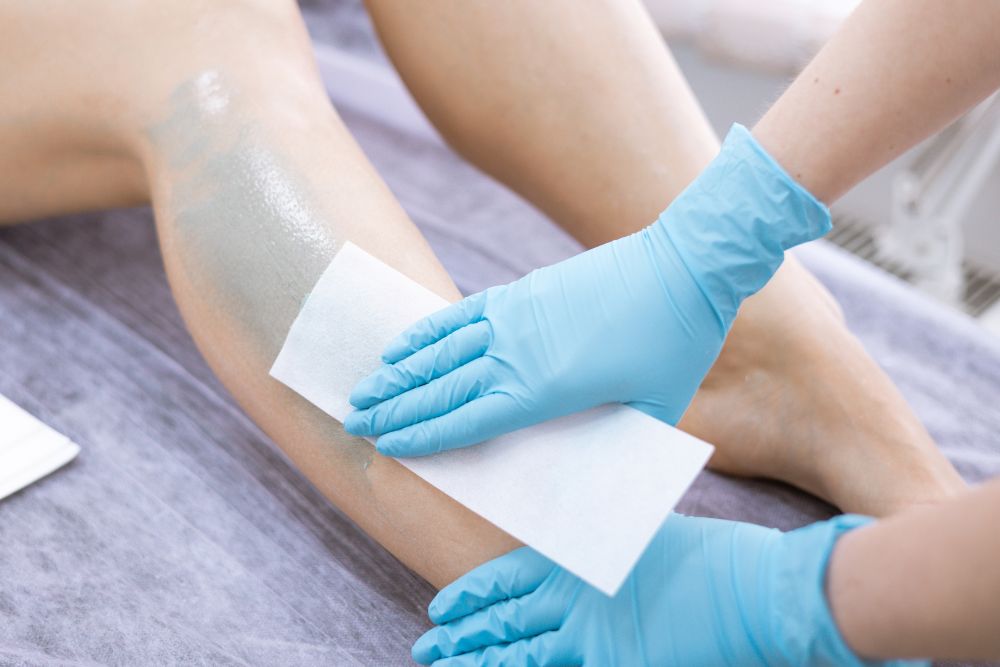
One of the most popular hair removal techniques in the beauty business nowadays is women’s waxing. Compared to shaving or depilatory creams, it provides a combination of smooth results, long-lasting benefits, and better skin texture. Having a thorough understanding of the procedure will help you get better results and lessen discomfort, regardless of how often you visit a salon.
Because waxing removes hair from the root, it takes longer for the hair to grow back. Regular waxing can weaken hair follicles over time, resulting in softer and finer regrowth. For ladies who wish to have flawless skin with little upkeep, waxing is therefore a recommended option.
Gaining an Understanding of Waxing Science
Waxing is a procedure that works directly on your skin and hair follicles, making it more than just a cosmetic procedure. Applying wax to the skin causes it to stick to the hair. It pulls the hair from the root once it is removed. This is not the same as shaving, which just cuts the hair’s surface.
Hair growth is divided into two main phases:
- Anagen, or the growth phase
- Telogen, or the resting stage
Because the hair is deeply rooted and actively developing, waxing works best during the anagen phase. Frequent waxing guarantees that more hair is gone during this phase, enhancing outcomes over time.
Different Waxing Methods for Women
Depending on the area being treated and the skin’s sensitivity, various waxing techniques are employed. Knowing these methods will enable you to select the best one.
Soft waxing
A tiny layer of soft wax is applied, then paper or cloth strips are used to remove it. Larger areas like the arms, back, and legs are frequently treated with it.
Benefits
- swiftly covers wide areas
- It works well for fine hair.
- Fast application
Hard Waxing
A thicker layer of hard wax is applied, and strips are not used to remove it. It pulls off directly after solidifying on its own.
Benefits
- Perfect for delicate areas
- Not as painful as soft wax
- lessens inflammation of the skin
Common areas include consist of:
- Bikini line
- Underarms
- Facial areas
These are more recent formulas enhanced with organic components like honey, cocoa, and essential oils.
Advantages:
- Ideal for sensitive areas
- Less painful than soft wax
- Reduces skin irritation
To get the greatest waxing results, preparation is essential.
Natural and Chocolate Wax
These are more recent formulas enhanced with organic components like honey, cocoa, and essential oils.
Advantages consist of:
- Gentle on the skin
- Moisturizing properties
- Suitable for sensitive skin types
Getting Ready for a Waxing Procedure
Prior to your appointment, do the following:
- Make sure your hair is at least ¼ inch length.
- One day prior, exfoliate your skin.
- Before waxing, stay away from lotions, oils, and creams.
- Drink plenty of water and keep your skin healthy.
- Steer clear of waxing when you have sunburn or skin sensitivity.
By removing dead skin cells, exfoliation improves the wax’s ability to hold onto the hair. Better outcomes and a lower risk of ingrown hairs are guaranteed by clean, dry skin.
Detailed Waxing Procedure
Knowing what to expect and how the waxing process works will make you feel less anxious.
1: Cleanse Your Skin
To get rid of dirt and grease, the technician cleans the region.
2: Applying Wax
The direction of hair development is where warm wax is applied.
3: Elimination of Wax
Rapid removal of wax occurs in the opposite direction of hair growth.
4: Calming the Skin
To lessen redness and irritation, a soothing lotion or gel is used.
The discomfort only lasts a few seconds per strip, and the entire procedure is short.
Typical Areas for Women to Wax
Almost any area of the body where undesirable hair grows can be waxed.
Arms and Legs
Large areas benefit from soft wax, which produces results that are even and smooth.
Underarms
Hard wax is typically needed to minimize discomfort in sensitive areas.
Brazilian wax and a bikini
Because of its sensitivity, this field requires professional knowledge.
Waxing the face
comprises the eyebrows, chin, and upper lip. Here, accuracy is crucial.
Women’s Waxing Benefits
There are various long-term benefits to waxing:
- 3–4 weeks of smooth skin
- finer and slower hair growth
- less chance of cuts and nicks than while shaving
- enhanced shine and texture of the skin
- long-term decrease in hair density
Many women find that over time, frequent waxing makes their hair softer and simpler to remove.
Handling Pain While Waxing
Although waxing can be painful, there are techniques to lessen the discomfort:
- Steer clear of caffeine before to your session.
- After your menstrual cycle, schedule a waxing session.
- If necessary, take a mild analgesic.
- When waxing, use breathing methods.
- When applying, keep your skin relaxed.
Expert estheticians are taught to reduce discomfort and guarantee a more seamless encounter.
Skin Recuperation and Post-Waxing Care
Your skin needs to be properly cared for after waxing in order to heal and remain smooth.
Important Steps:
- Steer clear of steam and hot water for a whole day.
- Avoid using a lot of makeup or cosmetics.
- Put on loose-fitting clothes.
- Use calming creams or aloe vera.
- Steer clear of tanning and direct sunlight.
After waxing, skin may appear somewhat red; this is typical and normally goes away in a few hours.
How to Avoid Ingrown Hairs
When hair grows back into the skin rather than outward, it can result in ingrown hairs.
To stop them:
- Regularly exfoliate
- Maintain hydrated skin
- Steer clear of tight clothes.
- After 48 hours, use mild scrubbing.
- Keep up a regular waxing routine.
Comparison between Shaving and Waxing
Shaving and waxing both get rid of unwanted hair, but they do it in different ways.
Waxing
- eliminates hair from the root
- endures longer
- gradually reduces the thickness of hair
Shaving
- cuts the surface of hair
- Results only endure for one to three days.
- may result in discomfort or razor cuts.
For long-term skin health and smoothness, waxing is typically recommended.
Who Shouldn’t Get Waxed?
Not everyone is a good candidate for waxing. Do not wax if you have:
- Cuts or open wounds
- Infections of the skin
- The waxed area had severe acne.
- Reactions to wax compounds that are allergic
- Some skin disorders, such as psoriasis or eczema
If you are uncertain, speak with an expert.
At-Home vs. Professional Waxing
Professional waxing provides accuracy, cleanliness, and knowledge. Waxing at home is more practical, but it takes practice.
Professional:
- Improved methods
- decreased chance of harm
- hygienic setting
- Ideal for delicate areas
Waxing at home:
Economical and practical
needs the right equipment and expertise.
The Value of Cleanliness in Waxing
A key component of safe waxing is hygiene.
Always make sure:
- Clean applicators and tools
- New wax for every customer
- Appropriate sanitization
- Professionals wearing gloves
Skin problems and infections can result from poor hygiene.
Regular Waxing’s Long-Term Effects
After months of regular waxing:
- Regrowth of hair gets finer
- Smoother skin
- Over time, pain lessens
- Less frequent meetings are required.
Conclusion
Women’s waxing is a potent and successful way to get smooth, radiant skin that lasts. Waxing can greatly enhance skin structure and hair growth patterns with the right preparation, technique, and regular aftercare. Waxing is still a popular option for ladies who want dependable and polished results, whether it is done at home or at a professional salon.
